
Sports operations software
Sports operations software
About Zoiko Sports
Zoiko Sports is a global sports technology platform being built to help competitions, venues, clubs and the organizations around them coordinate operations, connect trusted information and make better-informed decisions across the event lifecycle.
Zoiko Tech Inc. · A Zoiko Group company

Zoiko Sports is sports operations and intelligence infrastructure for organizations that deliver sport. Its initial focus is competition and venue coordination: connecting schedules, readiness, responsibilities, approvals and event-day exceptions across authorized teams. Over time, that operating foundation is designed to support a broader, governed sports data and intelligence layer.
“Zoiko Sports is building connected sports operations and intelligence infrastructure for the organizations that plan, stage and grow sport.”



A modern sports event can involve a league or governing body, clubs, venue teams, officials, safety and operations staff, contractors, media, commercial partners and technology providers. Each may use different systems, different data and different approval paths. The result is not a lack of technology. It is fragmentation.
Zoiko Sports exists to reduce that fragmentation where coordination matters most: around the competition, the venue and the decisions that move an event from plan to execution to review.
01
Schedules, readiness checks, staffing dependencies, approvals and exception updates often live in separate systems, spreadsheets and messages.
02
The organizer, club and venue can each hold a valid part of the picture without a governed way to connect the context they are authorized to share.
03
When plans change, teams need to know who owns the next action, who can approve the decision and what has already been communicated.
04
Post-event review is weaker when the reason, source, approver, timestamp and follow-up are split across multiple channels.

Vision
A world where every sports organization can operate from trusted, connected information—across competitions, venues, teams, partners and the experiences built around them.
Mission
To build the trusted operating and intelligence infrastructure that helps sports organizations coordinate events, connect systems and data, and make better-informed decisions without losing organizational accountability.
Shared context should not mean universal visibility. Access follows organization, role and responsibility.
The platform starts with real workflows and decisions, not dashboards that merely visualize disconnected data.
Analytics and AI build on attributable, time-aware operational data rather than become the system of record by themselves.
Where a trusted specialist system already works, Zoiko Sports connects it rather than demanding unnecessary rip-and-replace.
New public claims follow implemented, tested and governed capability — not precede it.
The core model supports common sports operating patterns while allowing sport-specific rules and workflows.

The first Zoiko Sports product focus is competition and venue operations. It gives participating organizations a governed way to coordinate the information and decisions surrounding an event while preserving responsibility and access boundaries.
Connect the event or fixture schedule to the operational work that depends on it.
Coordinate checks, owners, due times and approvals around venue preparation.
Make accountable ownership visible across participating organizations and roles.
Preserve the context of material operational decisions and follow-up work for review.
Record operational exceptions, assign owners and track status through resolution.
Distinguish requests, approvals, notifications and recorded acknowledgments.

Longer term, Zoiko Sports is designed around the idea that sports entities and events—competitions, fixtures, venues, clubs, teams, participants, organizations, rights, relationships, decisions and supporting records—should be connectable through a governed data model rather than remain isolated in product silos.
Internally, this direction can be described as the One Sports Graph. Public use of that name is gated by brand and architecture approval.
Competition directors, operations leaders and event managers coordinating schedules, venues, approvals and delivery across multiple participants.
Club operations managers, secretaries and event-day leads connecting team preparation with organizer and venue responsibilities.
Venue directors, operations managers and safety/operations leads coordinating readiness, dependencies and event-day exceptions.
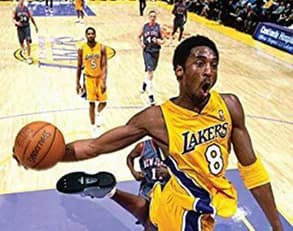
The core platform is sport-agnostic where the operating pattern is common—events, venues, responsibilities, approvals, exceptions and records—and sport-specific where rules, structures and workflows differ. Initial product and market sequencing can prioritize selected sports without changing the architecture into a single-sport product.
Zoiko Sports is not positioned as a sportsbook, betting service, generic sports-media site or fan-score application. The initial commercial proposition is operational infrastructure for sports organizations.
Most workflows stop at an organizational boundary. Zoiko Sports is designed around governed coordination between organizations that jointly deliver the same event.
The platform connects schedules, venue readiness, responsibilities, exceptions, approvals and follow-up around the event instead of unrelated modules.
Not every user should see every record. Access, authority and contribution remain scoped to organization, role and responsibility.
The goal is to preserve who acted, in which role, when, and what information informed the decision where the workflow supports it.
Zoiko Sports connects existing systems and specialist providers rather than assuming the industry will replace every incumbent platform.
The same connected operational foundation can support richer analytics and AI over time because entities and decisions are structured, not isolated.
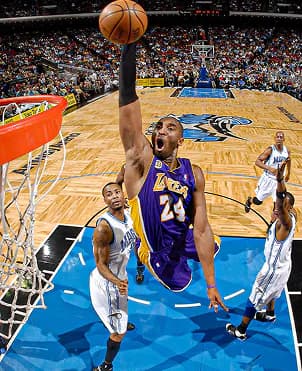
The initial experience is organized around four stages that buyers and operational teams can understand without learning a new technology vocabulary.
Step 01
Connect the competition schedule, venue, participating organizations, owners and deadlines.
Step 02
Track readiness, dependencies and approvals before the event.
Step 03
Record operational exceptions, assign owners and communicate material changes to authorized teams.
Step 04
Reconstruct decisions, close follow-up work and retain the agreed event record.
Zoiko Sports supports the flow of information, responsibility and approvals. Authorized people and organizations retain authority for operational, safety, competition and other real-world decisions — a software status never certifies a venue as safe or authorizes gates to open.
The long-term opportunity extends beyond event operations because sports organizations operate across several connected technology layers, communicated as direction rather than a single launch release.
Scheduling, officiating context, tracking, statistics and competition operations.
Readiness, operations, workforce, communications, access and event delivery.
Athlete, training, biomechanics and performance systems through governed integrations.
Commercial operations, CRM, ticketing, sponsorship, merchandise and revenue context.
Apps, communities, event discovery, second-screen and connected experiences.
Scouting, recruitment, forecasting, decision support and cross-domain analysis.
Travel, hospitality, retail, service providers, developers and approved third parties.
Streaming, content, highlights, graphics, commentary and rights-linked workflows.

These layers describe strategic direction, not a promise that every feature is currently released.
A platform that spans organizations must be explicit about boundaries. Trust is part of the product model, not a late-stage compliance page.
Users access the records and actions authorized for their organization, role and event responsibility.
Important workflow actions identify the acting user, organization, role and time where supported.
Approval history preserves changes and corrections rather than silently overwriting context.
A queued or delivered message is not the same as a human acknowledgment; status language distinguishes them.
Imported data retains source context and permissions appropriate to the connected system and agreement.
Medical, safeguarding and participant-sensitive workflows require separately approved scope, controls and evidence.
AI may assist with analysis and workflow, but authoritative records, permissions and responsibility remain governed outside the model.

Security, privacy, data governance and accessibility, in one place for buyer diligence.
Visit Trust Center
Zoiko Sports is a global sports technology platform being built to connect competition and venue operations first, then progressively support a broader governed sports operating and intelligence layer.

If your competition, club or venue is coordinating critical event information across separate teams and systems, start with one event. We will define the organizations involved, the workflow to connect and the measures that would make a pilot worth expanding.